Water hardness is a common issue faced by many households. It can lead to a range of problems, from scale buildup in plumbing systems to reduced efficiency of appliances. For residents in O'Fallon, IL, the increasing awareness of water quality has highlighted the importance of water softening systems. With various types available on the market, understanding the differences can help homeowners make informed decisions.
Understanding Water Hardness
Before diving into water softeners, it's essential to comprehend what water hardness means. Hard water contains high levels of minerals, primarily calcium and magnesium. These minerals come from natural sources like limestone and chalk when groundwater passes through. While hard water is not harmful to health, it can cause significant issues in daily life.
High mineral content can create scale buildup in pipes and appliances, reducing their efficiency and lifespan. You might notice spots on dishes after washing or feel a film on your skin after showering. Some homeowners may even experience dry skin or dull hair due to the effects of hard water.
How Water Softeners Work
Water softeners work by using a process called ion exchange to remove these hard minerals from water. The system typically contains resin beads that attract and hold onto calcium and magnesium ions while releasing sodium ions into the water. This effectively reduces hardness and improves overall water quality.
Types of Water Softeners
As you consider options for tackling hard water issues, here are some common types of water softeners you might encounter:
1. Salt-Based Ion Exchange Softeners
Salt-based ion exchange systems are among the most popular choices for residential use. These units require regular replenishment with salt pellets, which facilitate the ion exchange process mentioned earlier. The effectiveness of these systems is well-documented; they can reduce hardness levels significantly.
While effective, salt-based systems do have drawbacks. They add sodium to the softened water, which may be a concern for individuals on low-sodium diets. Additionally, these systems require maintenance and occasional cleaning to prevent clogs.
2. Salt-Free Water Conditioners
Salt-free systems offer a different approach by conditioning rather than softening the water chemically. These units utilize a process called template-assisted crystallization (TAC), which alters how minerals behave in water without removing them entirely.
Though salt-free conditioners do not produce soft water in the same way as traditional systems, they can still provide benefits by reducing scale buildup in pipes and appliances. They also have lower maintenance needs since they do not require salt replenishment.
However, some users find that salt-free conditioners may not be as effective for extremely hard water compared to salt-based systems.
3. Dual-Tank Softeners
For households with high water usage or larger families, dual-tank softeners present an efficient solution. These systems consist of two tanks that alternate during regeneration cycles, ensuring a continuous supply of softened water.
The primary advantage here is convenience—while one tank regenerates, the other remains operational, so there is no downtime for your household's needs. Although more expensive initially than single-tank models, dual-tank softeners prove cost-effective over time due to their efficiency.
4. Magnetic or Electronic Softeners
Magnetic or electronic descalers represent newer technologies aimed at reducing scale formation without traditional ion exchange methods. These devices typically attach directly to your plumbing system and claim to manipulate mineral behavior through magnetic fields or electrical impulses.
While some users report positive results with these units, scientific consensus on their effectiveness remains inconclusive compared to traditional softeners. Therefore, if you're considering this option, it might be worth doing thorough research or consulting with a plumber before making any investments.
5. Reverse Osmosis Systems
Reverse osmosis (RO) systems are often marketed primarily for drinking water purification but can play an important role in addressing hard water issues as well. An RO system forces water through a semi-permeable membrane that filters out impurities—including dissolved minerals responsible for hardness—resulting in high-quality drinking water.
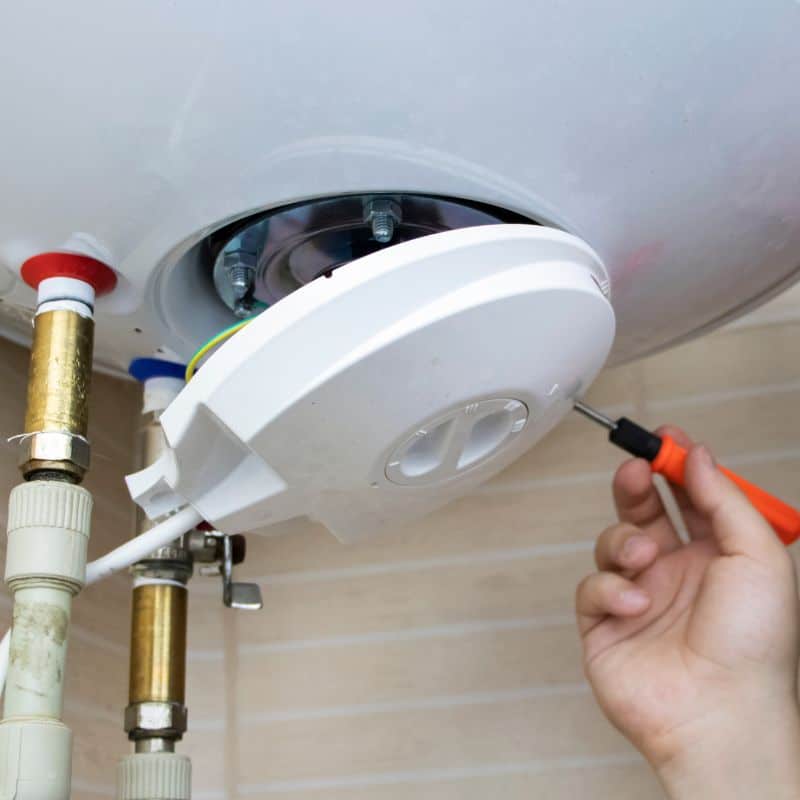
While RO systems are excellent at purifying drinking and cooking water, they are typically used alongside other types of softeners for whole-house applications due to their limited capacity and flow rate.
Choosing the Right System for Your Needs
When selecting a suitable water softener for your home in O'Fallon IL or elsewhere, several factors should guide your decision-making process:
- Water Hardness Level: Test your home's tap water to determine its hardness level; this will inform you about which system will be most effective. Household Size: Consider how many people live in your home and your average daily usage; larger households may benefit from dual-tank models. Maintenance Requirements: Assess how much time you want to invest in maintaining your system; some options require more frequent upkeep than others. Health Considerations: If anyone in your household has dietary restrictions affecting sodium intake, weigh this factor heavily when choosing between salt-based alternatives versus salt-free options. Budget: Factor both initial costs and long-term expenses into your decision-making process; while cheaper options may seem appealing upfront, they could incur higher ongoing costs down the line through maintenance or inefficiencies.
Installation Considerations
Installing a new system is another critical step after deciding on which type suits your needs best—consider hiring professionals such as Alexander Plumbing & Remodeling LLC if you're unsure about DIY installation procedures or local plumbing codes governing installations within O'Fallon IL.
A qualified plumber will ensure proper placement of pipes leading into/out-of each unit while minimizing potential leaks caused by improper fittings afterward!
Maintenance Tips
Regardless of which type you choose ultimately remember that regular maintenance plays an essential role in keeping everything running smoothly! Here are some key points:
Check Salt Levels Regularly: For salt-based units ensure you replenish salt when necessary according manufacturer guidelines!
Clean Filters/Resins: Depending on model specifications clean filters/resin beads periodically according schedules provided upon purchase—this enhances longevity!
3 . Monitor Pressure Drops: Sudden drops could indicate blockages requiring immediate attention!
4 . Schedule Professional Inspections Annually: Having someone qualified assess functionality ensures early detection before larger issues arise later down road!
5 . Test Water Quality Post Installation/Regular Intervals Afterward: Confirming effectiveness via testing keeps track progress against initial conditions established beforehand!
With proper care attention longevity achieved maximizing value received investment made into upgrading quality living spaces enjoyed every day!
Final Thoughts
In summary understanding types available empowers consumers making informed choices regarding improving overall lifestyle conditions faced due hard-water challenges encountered routinely! Whether opting for traditional solutions like ion-exchange models newer technologies such magnetic/electronic devices finding right fit depends upon personal preferences assessing individual circumstances involved!
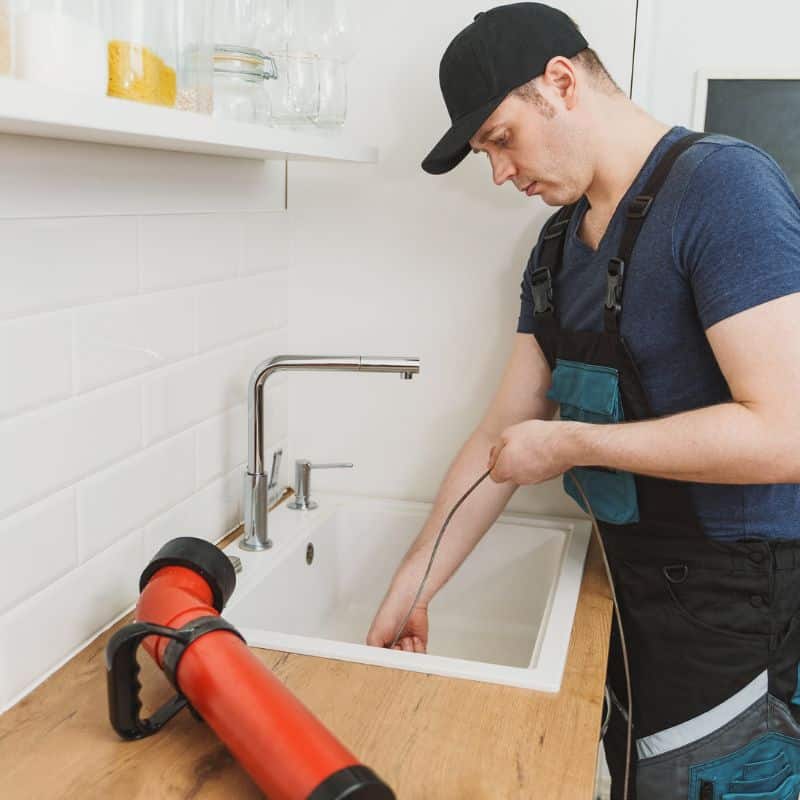
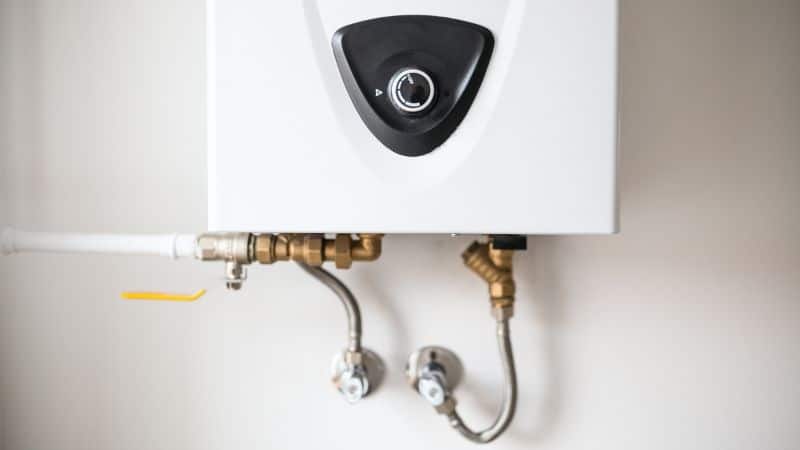
Given increasing demand across communities including residents O'Fallon IL seeking reliable options don't hesitate reach out best plumber in O'Fallon IL local experts knowledgeable field! They'll assist navigating complexities ensuring optimal solutions tailored unique requirements ultimately enhancing everyday experiences shared within homes families alike!